Second Artist Cohort: Representation
The second Call for Proposals explored the theme of “Representation” through African feminist perspectives. The selected works examine how women* occupy, shape, and transform media, politics, and cultural spaces, while challenging dismissive or limiting portrayals. Across political, social, cultural, intellectual, and spiritual lenses, these projects affirm women*’s complexity, agency, and lived experience.
Artists (A-Z)
Project Description

Bel Neto
Angola
In memory of the artist, who passed away before this work could be completed.
Bel Neto is a wordsmith (literature and spoken word performer) from Angola. She has published three literary works, carries out graphic design projects for literary works, is a member of the jury for national literary competitions, works with children (literacy, poetry, recitation, theatre, general culture) and loves to write about women's rights.
With a degree in Portuguese Language and Communication from the Methodist University of Angola, Bel Neto is known for her visceral writing, marked by themes such as feminism, spirituality, eroticism and social criticism. Her work challenges conventions and courageously exposes the complexities of African women, their pains, desires and resistances.
Cantares de Liberdade (Songs of Freedom)
‘Cantares de Liberdade’ (Songs of Freedom) is a hybrid short film that combines documentary and poetic staging, dedicated to reclaiming music as a territory of resistance, memory, and African feminist affirmation. The project stems from the urgent need to reposition African women as protagonists of their own narratives, deconstructing cultural and political stereotypes that have historically limited their representations.
The work builds bridges between generations, drawing analogies between iconic voices such as Miriam Makeba, Lourdes Van-Dúnem, Girinha and Pérola, who all challenged oppressive regimes and paved the way for new artists, and contemporary creators who continue to transform realities.
The work builds bridges between generations, drawing analogies between iconic voices such as Miriam Makeba, Lourdes Van-Dúnem, Girinha and Pérola, who all challenged oppressive regimes and paved the way for new artists, and contemporary creators who continue to transform realities.

Eltina Gaspar
Angola
Eltina Gaspar is a visual artist from Luanda, Angola, working with photography and video as tools of resistance, communication, and social reflection. Her practice centers on human rights, social justice, and the lived experiences of marginalized communities, particularly women. Through a politically engaged and poetic lens, she explores themes of memory, protest, care, and survival within Angola’s social and historical context.
Eltina has directed award-winning short films and documentaries, exhibited her work nationally and internationally, and participated in several artistic residencies. She has also worked as a producer and art director for music videos and served as a mentor in creative programmes. She is an alumna of the MultiChoice Talent Factory (MTF Academy) Zambia.
Angola
Eltina Gaspar is a visual artist from Luanda, Angola, working with photography and video as tools of resistance, communication, and social reflection. Her practice centers on human rights, social justice, and the lived experiences of marginalized communities, particularly women. Through a politically engaged and poetic lens, she explores themes of memory, protest, care, and survival within Angola’s social and historical context.
Eltina has directed award-winning short films and documentaries, exhibited her work nationally and internationally, and participated in several artistic residencies. She has also worked as a producer and art director for music videos and served as a mentor in creative programmes. She is an alumna of the MultiChoice Talent Factory (MTF Academy) Zambia.
Thrive, I Am Still Here
“Thrive, I Am Still Here” is a powerful artistic project about the resistance, presence, and affirmation of blind and deaf women in contexts of exclusion and invisibility. Through photography, it reveals how they create, occupy, and sustain physical, emotional, social, and symbolic spaces to affirm their existence.
More than surviving, they build networks of care, listening, solidarity, and autonomy, transforming the everyday into a site of struggle and affirmation. The project offers a sensitive yet political reflection on the female body, memory, and voice, highlighting gestures of care and collective, often silent, resistance. It affirms resistance not merely as a condition, but as an active construction of future, memory, and social transformation.
More than surviving, they build networks of care, listening, solidarity, and autonomy, transforming the everyday into a site of struggle and affirmation. The project offers a sensitive yet political reflection on the female body, memory, and voice, highlighting gestures of care and collective, often silent, resistance. It affirms resistance not merely as a condition, but as an active construction of future, memory, and social transformation.

Mélisa Kayowa
Democratic Republic of Congo
Mélisa Kayowa is a Congolese visual artist and weaver based in Kinshasa. Winner of the Prince Claus Fund's Seed Award 2025, she has developed an approach that brings Congolese ancestral practices and modernity into tension, giving rise to a ‘tradimodern’ aesthetic. Her work proposes a dialogue between the intimate and the collective, where textile art becomes a space for memory, emotion and reflection.
She explores themes such as absence, loss and fear, and translates her deepest feelings through a variety of mediums. This formal diversity reflects the mechanisms of the mind and the complexity of inner processes.
Democratic Republic of Congo
Mélisa Kayowa is a Congolese visual artist and weaver based in Kinshasa. Winner of the Prince Claus Fund's Seed Award 2025, she has developed an approach that brings Congolese ancestral practices and modernity into tension, giving rise to a ‘tradimodern’ aesthetic. Her work proposes a dialogue between the intimate and the collective, where textile art becomes a space for memory, emotion and reflection.
She explores themes such as absence, loss and fear, and translates her deepest feelings through a variety of mediums. This formal diversity reflects the mechanisms of the mind and the complexity of inner processes.
Weaving Silence
‘Weaving Silence’ is an exploration in which Kuba embroidery becomes a territory of memory and resistance. The project does not seek to archive these textiles, but to bring them back to life, revealing the friction between transmission and erasure, speech and silence, continuity and oblivion. Through the encounter between ancestral knowledge and technology, artificial intelligence digitises patterns, interprets gestures and opens up a space for dialogue where fabric responds to humans.
This connection offers embroidery a new stage for visibility and reactivates what historical narratives have long kept in the background: women's voices and knowledge. Each piece becomes a page of narrative suspended between the past and the future, a fragment of history brought back to life.
This connection offers embroidery a new stage for visibility and reactivates what historical narratives have long kept in the background: women's voices and knowledge. Each piece becomes a page of narrative suspended between the past and the future, a fragment of history brought back to life.

Mmakhotso Lamola
South Africa
Mmakhotso Lamola is an architect, interdisciplinary artist, researcher and writer based in Cape Town.
Her work navigates the interstitial spaces between disciplines, engaging in a process-based practice that examines the emotional landscapes of urban space. She investigates the “invisible city”—the intangible, spiritual, and atmospheric layers of urbanity—to explore belonging and agency. By unearthing lesser-known narratives, she seeks to create softer, personal modes of archiving that complicate simplistic understandings of cities and communities. Lamola prioritizes recovery, healing, and listening in her research, advocating for vulnerability and new spatial languages that foster inclusivity, particularly in post-colonial contexts.
She has been an artist-in-residence at Electric South’s New Dimensions Lab (2024), Akademie Schloss Solitude (2022), Pogon Jedinstvo Zagreb Centre (2022), and others. Her poetry appears in ‘New Landscapes Anthology’ and ‘Visions of Home’ by Lungs Project, while her writing features in ‘Pumflet publications’ by Wolff Architects. She founded ‘The Belonging Collective Archive’ and is a 2024 recipient of the Prince Claus Building Beyond mentorship, exploring her project ‘A Map Home’.
South Africa
Mmakhotso Lamola is an architect, interdisciplinary artist, researcher and writer based in Cape Town.
Her work navigates the interstitial spaces between disciplines, engaging in a process-based practice that examines the emotional landscapes of urban space. She investigates the “invisible city”—the intangible, spiritual, and atmospheric layers of urbanity—to explore belonging and agency. By unearthing lesser-known narratives, she seeks to create softer, personal modes of archiving that complicate simplistic understandings of cities and communities. Lamola prioritizes recovery, healing, and listening in her research, advocating for vulnerability and new spatial languages that foster inclusivity, particularly in post-colonial contexts.
She has been an artist-in-residence at Electric South’s New Dimensions Lab (2024), Akademie Schloss Solitude (2022), Pogon Jedinstvo Zagreb Centre (2022), and others. Her poetry appears in ‘New Landscapes Anthology’ and ‘Visions of Home’ by Lungs Project, while her writing features in ‘Pumflet publications’ by Wolff Architects. She founded ‘The Belonging Collective Archive’ and is a 2024 recipient of the Prince Claus Building Beyond mentorship, exploring her project ‘A Map Home’.
A Map Home
A Map Home is a long-term, multidisciplinary research and artistic project dedicated to recovering overlooked histories and addressing erasures produced by violent colonial archives. It asks how art might re-encounter misrepresentation — particularly of Black femme and child figures — in ways that allow for dignity, healing, celebration, and rest, and how we might restitute what cannot be physically returned: silenced voices and intangible histories of belonging.
The project centres on the life of Sara Baartman, an Indigenous South African woman taken to Europe in the early 1800s and subjected to dehumanising public exhibition. Her story embodies the paradox of hyper-visibility and erasure. Although her remains were repatriated in 2002, the immaterial dimensions of her life remain unresolved.
A Map Home: The Return is a poetic, immersive 360° short film tracing Baartman’s symbolic journey from Paris to the Karoo Desert, moving toward collective memory, restitution, and the possibility of rest.
A Map Home is a long-term, multidisciplinary research and artistic project dedicated to recovering overlooked histories and addressing erasures produced by violent colonial archives. It asks how art might re-encounter misrepresentation — particularly of Black femme and child figures — in ways that allow for dignity, healing, celebration, and rest, and how we might restitute what cannot be physically returned: silenced voices and intangible histories of belonging.
The project centres on the life of Sara Baartman, an Indigenous South African woman taken to Europe in the early 1800s and subjected to dehumanising public exhibition. Her story embodies the paradox of hyper-visibility and erasure. Although her remains were repatriated in 2002, the immaterial dimensions of her life remain unresolved.
A Map Home: The Return is a poetic, immersive 360° short film tracing Baartman’s symbolic journey from Paris to the Karoo Desert, moving toward collective memory, restitution, and the possibility of rest.

Sarah Mounia Kachiri
Morocco
Sarah Mounia Kachiri is a filmmaker and curator. She studied filmmaking at the self-organized film school filmArche in Berlin and at ESAV Marrakech, her practice explores themes of spatial memory and intergenerational transmission. Her film The Holy Mountain screened at the My First Doc International Festival in Tunis in 2024 and has since been shown on both shores of the Mediterranean. She also directed La Porte Bleue, presented as part of the 2025 annual exhibition at the Dar Bellarj art space in Marrakech. Her experimental work On the River, We Celebrated was screened at the FUSO International Video Art Festival in Lisbon. Sarah also co-founded Film w Glissa, a platform dedicated to film exhibition and creation, celebrating cinemas from the “Global Souths” and their diasporas.
Morocco
Sarah Mounia Kachiri is a filmmaker and curator. She studied filmmaking at the self-organized film school filmArche in Berlin and at ESAV Marrakech, her practice explores themes of spatial memory and intergenerational transmission. Her film The Holy Mountain screened at the My First Doc International Festival in Tunis in 2024 and has since been shown on both shores of the Mediterranean. She also directed La Porte Bleue, presented as part of the 2025 annual exhibition at the Dar Bellarj art space in Marrakech. Her experimental work On the River, We Celebrated was screened at the FUSO International Video Art Festival in Lisbon. Sarah also co-founded Film w Glissa, a platform dedicated to film exhibition and creation, celebrating cinemas from the “Global Souths” and their diasporas.
If Only Youth Could Return Some Day
‘If Only Youth Could Return Some Day’ is a sound piece that explores resilience, transmission, and memory through oral storytelling, song, and polyphonic voices. Rooted in Morocco’s oral traditions, the work emerges from speculative questions about the future and finds its answers by listening to the vibrant voices of a community gathered in a cultural centre in the heart of Marrakech. Weaving together the voices of different women, the piece reflects on the possibility of holding on to dreams in times of crisis and on the erasure of women’s voices from political spaces. Through oral expression, it positions sound as both a poetic and political act, where memory becomes a form of resistance.
‘If Only Youth Could Return Some Day’ is a sound piece that explores resilience, transmission, and memory through oral storytelling, song, and polyphonic voices. Rooted in Morocco’s oral traditions, the work emerges from speculative questions about the future and finds its answers by listening to the vibrant voices of a community gathered in a cultural centre in the heart of Marrakech. Weaving together the voices of different women, the piece reflects on the possibility of holding on to dreams in times of crisis and on the erasure of women’s voices from political spaces. Through oral expression, it positions sound as both a poetic and political act, where memory becomes a form of resistance.

Taiwo Aiyedogbon
Nigeria
Taiwo Aiyedogbon is a Lagos-based visual artist and the founder of the shared studio space and residency, 1–98 Art Studio. Working across painting, experimental drawing, sculpture, installation, and performance, her practice is rooted in an expanded understanding of materiality and embodied experience. Through these diverse media, Aiyedogbon critically engages with histories, cultural memory, and environmental conditions shaping everyday life in Lagos.
Her recent work centres on women’s lived experiences as sites of knowledge and resistance, examining decolonisation as both a political and intimate process. By foregrounding the body, ritual, and spatial intervention, her practice creates spaces for dialogue that challenge inherited structures of power and representation. Aiyedogbon’s work operates at the intersection of personal narrative and collective history, proposing alternative ways of seeing, remembering, and inhabiting the present.
Nigeria
Taiwo Aiyedogbon is a Lagos-based visual artist and the founder of the shared studio space and residency, 1–98 Art Studio. Working across painting, experimental drawing, sculpture, installation, and performance, her practice is rooted in an expanded understanding of materiality and embodied experience. Through these diverse media, Aiyedogbon critically engages with histories, cultural memory, and environmental conditions shaping everyday life in Lagos.
Her recent work centres on women’s lived experiences as sites of knowledge and resistance, examining decolonisation as both a political and intimate process. By foregrounding the body, ritual, and spatial intervention, her practice creates spaces for dialogue that challenge inherited structures of power and representation. Aiyedogbon’s work operates at the intersection of personal narrative and collective history, proposing alternative ways of seeing, remembering, and inhabiting the present.
Follow the Mask, the Pathway to the Sun
“Follow the Mask, the Pathway to the Sun” explores female embodiment, urban space, and cultural memory through a performative engagement with the Gẹ̀lẹ̀dẹ́ mask on Lagos Island. Moving across key historical sites — including the Race Course, Freedom Park, the National Museum, and Tafawa Balewa Square — the project activates architecture as both archive and stage.
In a choreographed procession, five women dressed in vibrant men’s suits embody the traditionally male-performed Gẹ̀lẹ̀dẹ́ mask, creating a living tableau of power and transformation. By placing women at the centre of this ritual form, the work reinterprets tradition and interrogates constructions of femininity, authority, and representation.
Positioning women’s bodies as agents of cultural memory and resistance, the project bridges performance and spatial intervention, affirming women’s central role in shaping social, cultural, and spiritual landscapes.
“Follow the Mask, the Pathway to the Sun” explores female embodiment, urban space, and cultural memory through a performative engagement with the Gẹ̀lẹ̀dẹ́ mask on Lagos Island. Moving across key historical sites — including the Race Course, Freedom Park, the National Museum, and Tafawa Balewa Square — the project activates architecture as both archive and stage.
In a choreographed procession, five women dressed in vibrant men’s suits embody the traditionally male-performed Gẹ̀lẹ̀dẹ́ mask, creating a living tableau of power and transformation. By placing women at the centre of this ritual form, the work reinterprets tradition and interrogates constructions of femininity, authority, and representation.
Positioning women’s bodies as agents of cultural memory and resistance, the project bridges performance and spatial intervention, affirming women’s central role in shaping social, cultural, and spiritual landscapes.

Thandeka Mfinyongo
South Africa
Thandeka Mfinyongo is a South African musician born and raised in Nyanga East, Cape Town. She holds a Performer’s Diploma in Music (2017) and an Advanced Diploma in African Music (2018) from the University of Cape Town, as well as a Master’s degree in Music Performance from SOAS, University of London (2020), where she specialised in the kora. She is currently pursuing a PhD in Ethnomusicology at Rhodes University and lectures in African Music at North-West University. Mfinyongo specialises in Xhosa musical bows, uhadi and umrhubhe, and has collaborated with artists including the late Dr Madosini and Dumza Maswana. She has participated in the Africa Multiple Cluster of Excellence Residency at Bayreuth University (2024/25) in Germany and the AIRIE Residency in the United States. She has performed nationally and internationally, including at the Hong Kong Performing Arts Expo (2024).
South Africa
Thandeka Mfinyongo is a South African musician born and raised in Nyanga East, Cape Town. She holds a Performer’s Diploma in Music (2017) and an Advanced Diploma in African Music (2018) from the University of Cape Town, as well as a Master’s degree in Music Performance from SOAS, University of London (2020), where she specialised in the kora. She is currently pursuing a PhD in Ethnomusicology at Rhodes University and lectures in African Music at North-West University. Mfinyongo specialises in Xhosa musical bows, uhadi and umrhubhe, and has collaborated with artists including the late Dr Madosini and Dumza Maswana. She has participated in the Africa Multiple Cluster of Excellence Residency at Bayreuth University (2024/25) in Germany and the AIRIE Residency in the United States. She has performed nationally and internationally, including at the Hong Kong Performing Arts Expo (2024).
Strings of Representation
‘Strings of Representation’ reimagines uhadi, the Xhosa gourd bow, as both musical instrument and feminist archive of women’s knowledge, agency, and cultural memory. Traditionally made and played by women, uhadi carries intergenerational practices of care and storytelling, yet colonial ethnography and patriarchal music histories have often marginalised both the instrument and its custodians. The project frames the making and playing of uhadi as a feminist act of representation.
Adapting an earlier exhibition-workshop at Bayreuth University (2024/25), the project takes digital form. A 10–12 minute film traces the transformation of raw materials into instrument and performance, interwoven with women’s oral histories. A photo essay highlights hands carving and stringing the bow, foregrounding gestures of care, creativity, and resilience. Together, the works position uhadi as a material practice that resists erasure and amplifies women’s voices.
‘Strings of Representation’ reimagines uhadi, the Xhosa gourd bow, as both musical instrument and feminist archive of women’s knowledge, agency, and cultural memory. Traditionally made and played by women, uhadi carries intergenerational practices of care and storytelling, yet colonial ethnography and patriarchal music histories have often marginalised both the instrument and its custodians. The project frames the making and playing of uhadi as a feminist act of representation.
Adapting an earlier exhibition-workshop at Bayreuth University (2024/25), the project takes digital form. A 10–12 minute film traces the transformation of raw materials into instrument and performance, interwoven with women’s oral histories. A photo essay highlights hands carving and stringing the bow, foregrounding gestures of care, creativity, and resilience. Together, the works position uhadi as a material practice that resists erasure and amplifies women’s voices.


The Owl Concept
Cameroon
The Owl Concept is an artistic collective founded on April 26, 2025, bringing together two Cameroonian visual artists engaged in a contemporary and reflective approach. Synthia Ornella Masso Kenmogne (Kesyma), a visual artist, poet, and performer, explores human relationships and self-affirmation through painting, writing, and performance. Prince Moreille Kamla, a visual artist and graphic designer, develops research focused on identity and cultural crisis through his concept Blurred Identities. Together, they work to promote art, collaboration, and innovation on both national and international stages.
Cameroon
The Owl Concept is an artistic collective founded on April 26, 2025, bringing together two Cameroonian visual artists engaged in a contemporary and reflective approach. Synthia Ornella Masso Kenmogne (Kesyma), a visual artist, poet, and performer, explores human relationships and self-affirmation through painting, writing, and performance. Prince Moreille Kamla, a visual artist and graphic designer, develops research focused on identity and cultural crisis through his concept Blurred Identities. Together, they work to promote art, collaboration, and innovation on both national and international stages.
AfroFéminités : Visages de la Représentation
This project AfroFéminités : Visages de la Représentation examines the representation of African women through an Afrocentric feminist perspective. Starting from the observation that images of Black women have long been shaped by colonial and patriarchal legacies, the project recenters narratives on their own voices, memories, bodies, and imaginaries. The approach is structured around four axes: memory and the transmission of knowledge; the affirmation of the Black body as a space of power; the contemporary reinterpretation of spiritual and mythological heritages; and the imagination of futures in which African women occupy a central place.
First Artist Cohort: Rights
This first Call for Proposals focused on “Rights” and engaged with the complexities and possibilities of African feminisms by exploring the many dimensions of women*s rights — legal, social, political, economic, and cultural — through diverse artistic and feminist approaches. Women*s rights are multifaceted and intersect with issues such as social justice, economic empowerment, health, education, and the right to self-expression. The works presented under “Rights” examined these dimensions in their broadest sense, celebrating progress achieved, critically reflecting on ongoing struggles, and envisioning new pathways toward gender equality across the continent.
Artists (A-Z)
Project Description
Asia Clarke
Canada/Ghana
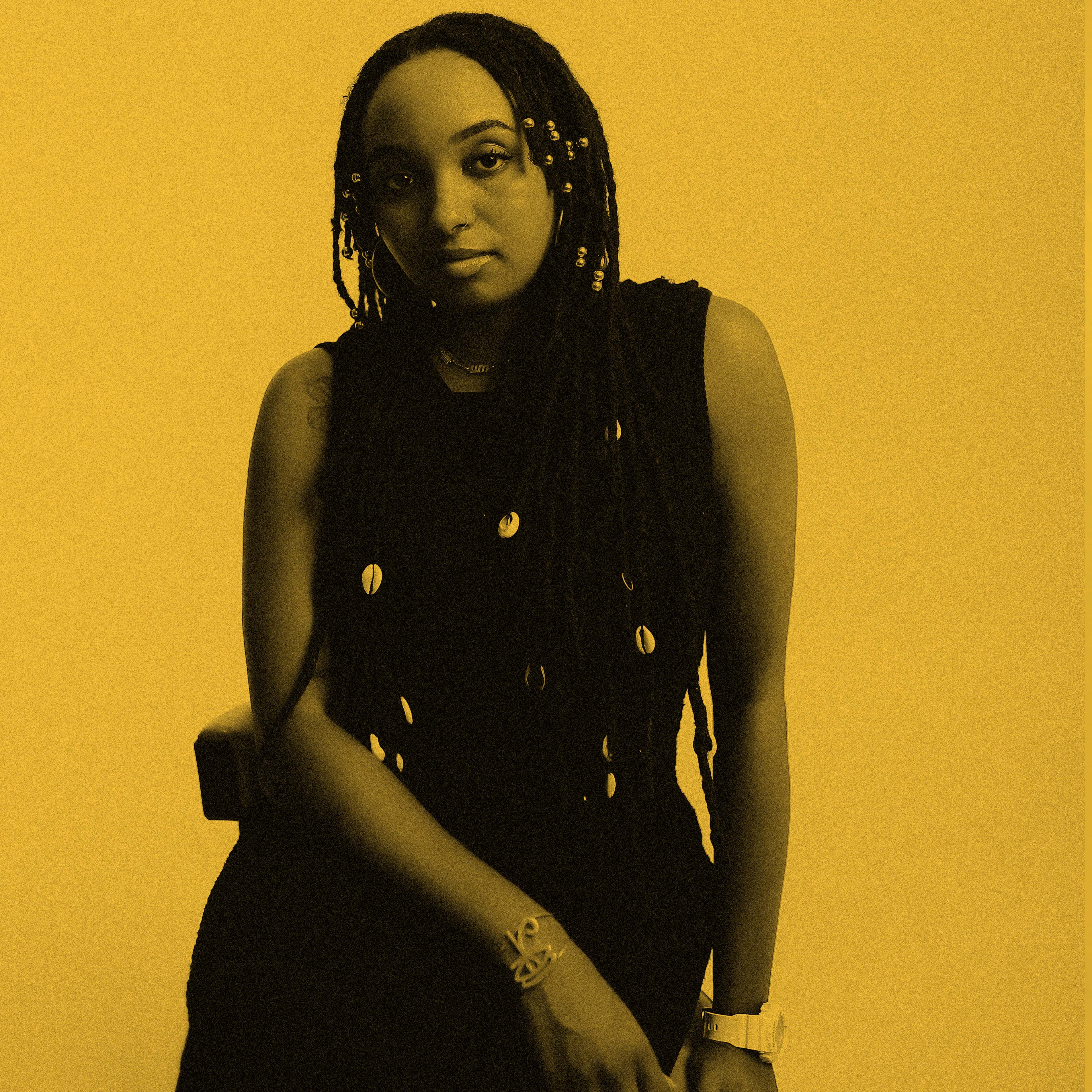
Asia Clarke is an Afro-Caribbean / Canadian Multidisciplinary Artist, Designer, Hairstylist and Consultant who centres sustainability and futures-thinking in her various practices. Living between Toronto and Accra, she is passionate about re-envisioning futures and helping communities, clients and brands to envision and actualize their creativity. With over 15 years of experience in the arts, international development and strategic foresight, she has worked on community economic empowerment and youth entrepreneurship projects in Canada, Dominica, Trinidad, eSwatini and Ghana.
Canada/Ghana
Asia Clarke is an Afro-Caribbean / Canadian Multidisciplinary Artist, Designer, Hairstylist and Consultant who centres sustainability and futures-thinking in her various practices. Living between Toronto and Accra, she is passionate about re-envisioning futures and helping communities, clients and brands to envision and actualize their creativity. With over 15 years of experience in the arts, international development and strategic foresight, she has worked on community economic empowerment and youth entrepreneurship projects in Canada, Dominica, Trinidad, eSwatini and Ghana.
Ama’s Salon
Set in Ghana in the year 2056, the story follows Ama, a gifted hairstylist who secretly provides mental-health therapy using a makeshift MRI machine hidden within her salon. Each hairstyle she creates is intentionally designed to support her clients’ emotional and psychological well-being. As Ama braids intricate patterns woven with electrical feedback wires into her clients’ hair, she enables them to access and adjust their own brain activity, discreetly storing their neuro-data in a covert archive.
Her salon functions as a trusted sanctuary — a community safe space where women can store their deepest secrets, fears, and desires. But when a new wave of neuro-surveillance threatens to seize control of the last remaining haven for free thought, Ama’s Salon becomes a powerful symbol of resistance, a place where women can still think for themselves.
Exploring themes of identity, morality, healing, and technology, the hairstyles crafted in Ama’s Salon continue the long legacy of Black resilience expressed through hair.
Her salon functions as a trusted sanctuary — a community safe space where women can store their deepest secrets, fears, and desires. But when a new wave of neuro-surveillance threatens to seize control of the last remaining haven for free thought, Ama’s Salon becomes a powerful symbol of resistance, a place where women can still think for themselves.
Exploring themes of identity, morality, healing, and technology, the hairstyles crafted in Ama’s Salon continue the long legacy of Black resilience expressed through hair.
Diane Kaneza
Burundi
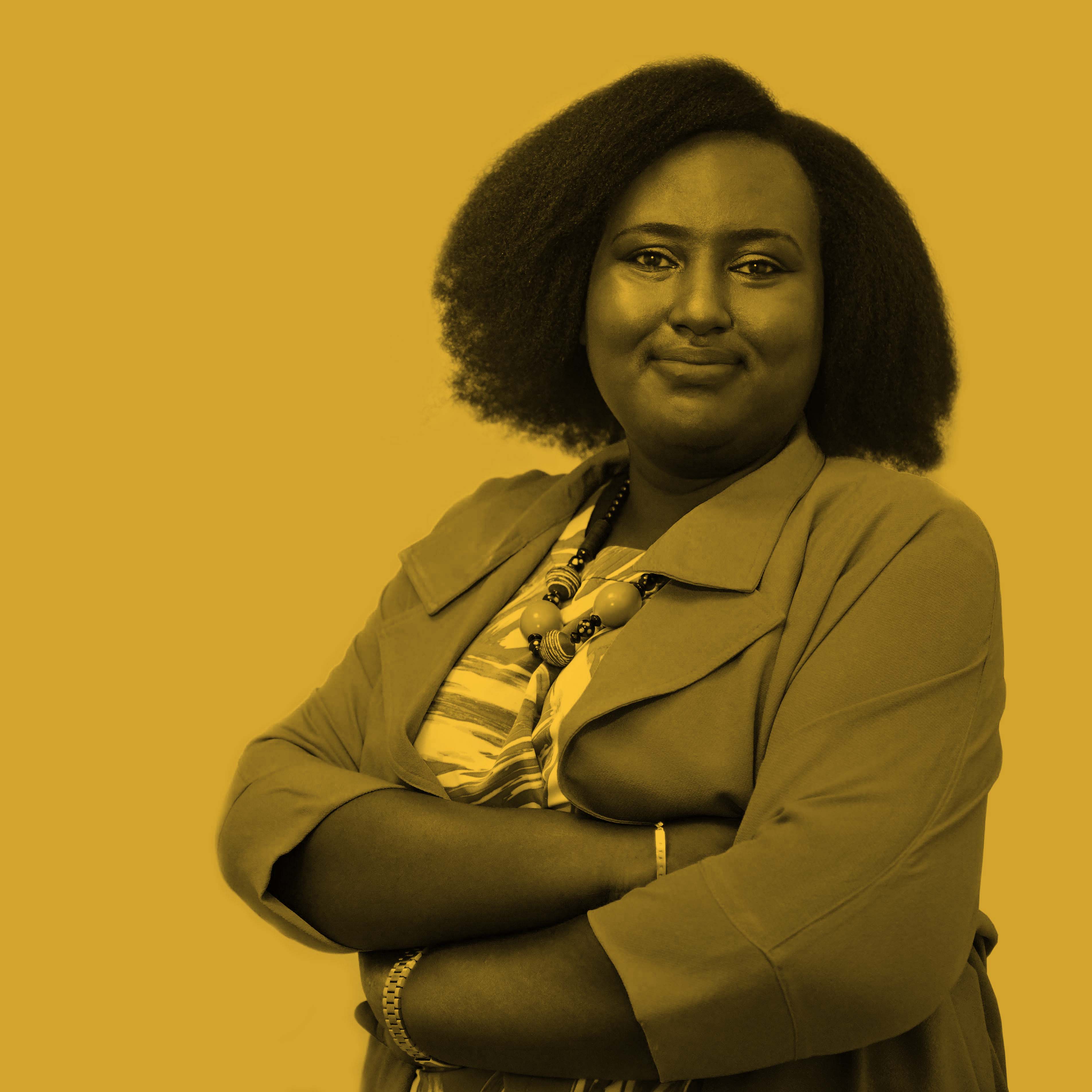
For the past 15 years, Diane KANEZA has masterfully combined cinema, audiovisual communication, and journalism. Her passion for images drives her to tell compelling stories from her homeland. She graduated from the Master 2 Cinéma Documentaire de Création ( Université Gaston Berger de Saint louis - Sénégal) program and produced the film "Mon Identité", which encapsulates her expertise in the acuity of the documentary gaze and her ability to create from reality. “Mon identité” was shortlisted for the Trophées Francophones du cinéma in 2018, shown as the closing film at the Saint Louis documentary festival, and presented at the Etats Généraux du documentaire in Lussas. It was also screened at the Poitiers Film Festival, in the category " Quand le Cinéma s'indigne" with Amnesty International
Burundi
For the past 15 years, Diane KANEZA has masterfully combined cinema, audiovisual communication, and journalism. Her passion for images drives her to tell compelling stories from her homeland. She graduated from the Master 2 Cinéma Documentaire de Création ( Université Gaston Berger de Saint louis - Sénégal) program and produced the film "Mon Identité", which encapsulates her expertise in the acuity of the documentary gaze and her ability to create from reality. “Mon identité” was shortlisted for the Trophées Francophones du cinéma in 2018, shown as the closing film at the Saint Louis documentary festival, and presented at the Etats Généraux du documentaire in Lussas. It was also screened at the Poitiers Film Festival, in the category " Quand le Cinéma s'indigne" with Amnesty International
ITONGO
Without land rights, women remain economically dependent on men, reinforcing gender inequalities. Since 2015, in the province of Muyinga in northern Burundi, new practices have been introduced in land certification. Men register their wives on land titles. This gives the women of this province financial autonomy, because they can now apply for a loan from a bank and open a business to ensure their financial independence. This practice is rarely popularised, whether among educated or rural women. ITONGO aims to highlight this approach, which shows that there are possible and promising ways of guaranteeing that women own the land they cultivate. The project takes the form of a 13-minute documentary focusing on two women from the Buhinyuza commune (Muyinga province) who, thanks to land certification, are now models of success in their communities.
Fayo Said
Netherlands /Ethiopia
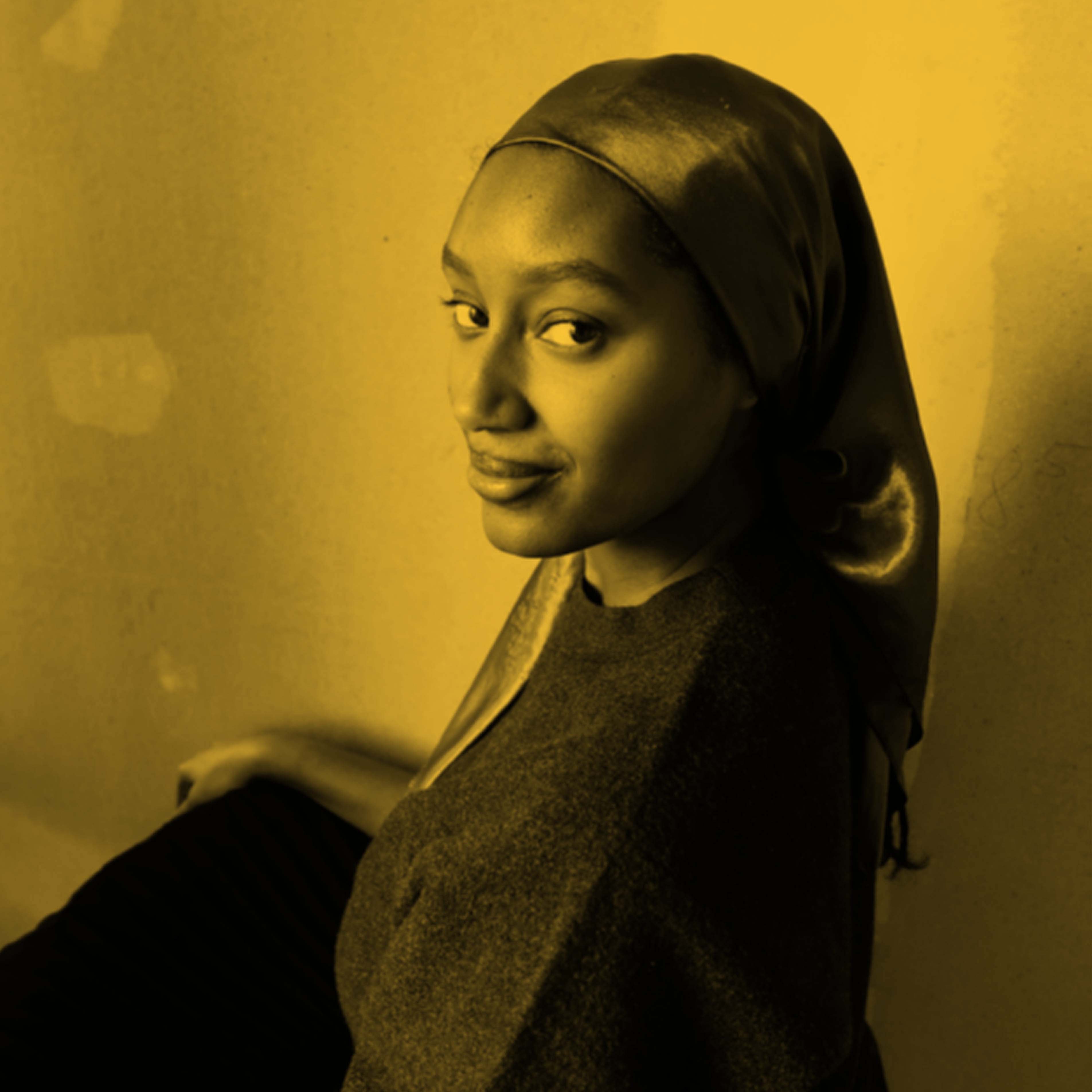
Fayo Said is an interdisciplinary artist and artistic researcher from Amsterdam and Oromia (Ethiopia), working at the intersection of visual culture, archival practices, and African and Afro-diasporic memory. Her work centers on reclaiming and reactivating African archives—particularly from Oromia—through artistic research, exhibition-making, and cultural production.
Netherlands /Ethiopia
Fayo Said is an interdisciplinary artist and artistic researcher from Amsterdam and Oromia (Ethiopia), working at the intersection of visual culture, archival practices, and African and Afro-diasporic memory. Her work centers on reclaiming and reactivating African archives—particularly from Oromia—through artistic research, exhibition-making, and cultural production.
Sacred
This project explores the concept of wayyuu, a moral and spiritual framework central to Oromo culture, and examines its potential to inform feminist practice and women*s rights advocacy in Africa. Wayyuu, often described as a sacred, revered state, governs how individuals and communities relate to one another with respect and balance. It embodies a code of conduct that elevates respect for women*, nature, and societal harmony. In Oromo culture, wayyuu is often associated with women*, who are considered the bearers of this sacred role. However, in practice, this reverence for women* can be paradoxically tied to their submission to patriarchal structures, where they are both elevated and confined. By revisiting wayyuu and other cultural frameworks in African societies, this project examines how indigenous traditions can both reinforce and challenge gender inequalities. The work critically engages with how the colonial and post-colonial periods have shaped gender relations and how reclaiming cultural traditions like wayyuu can offer new pathways for achieving gender equity.
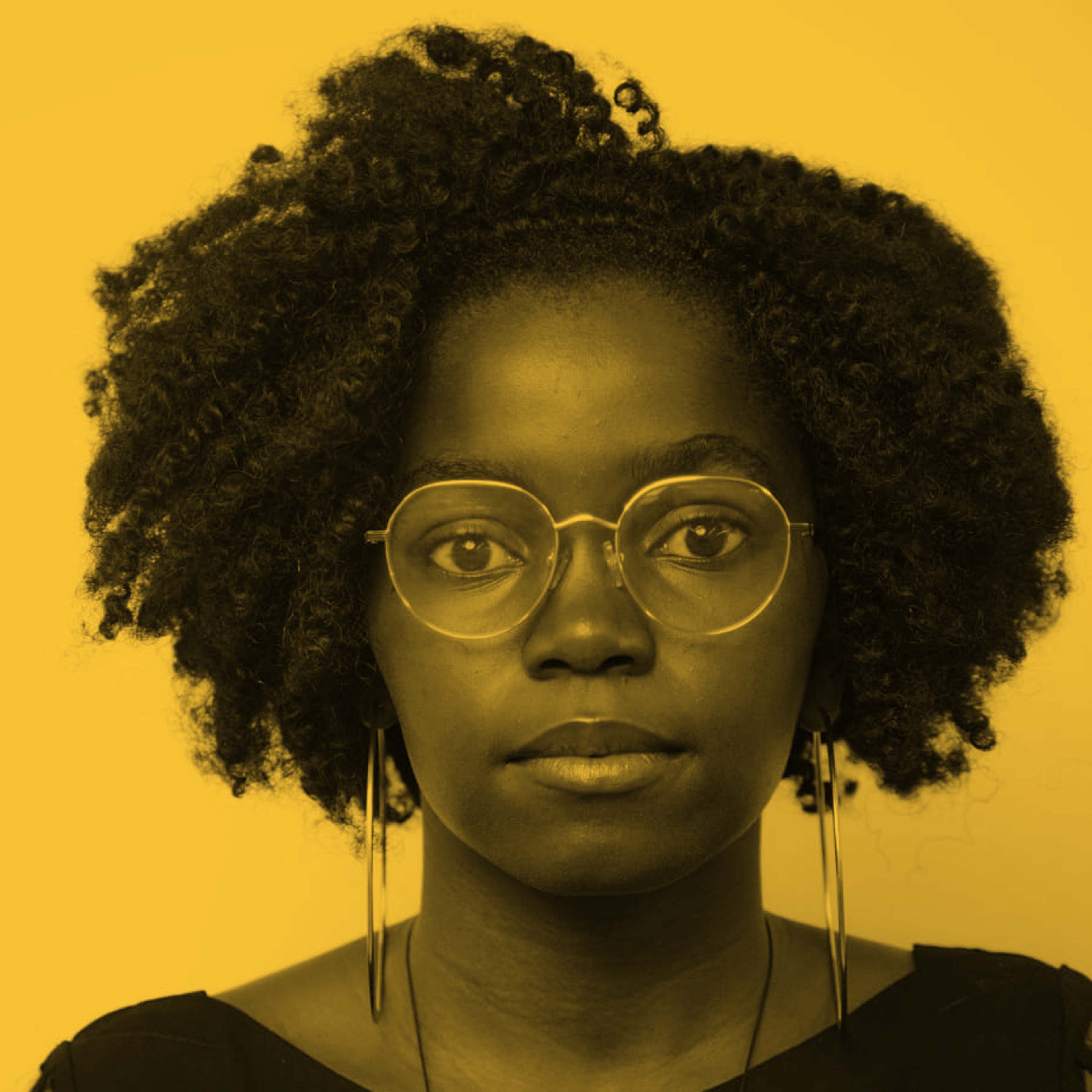
Irene A’mosi
Angola
Irene A'mosi is an artist who explores the word as her main means of expression. With work that spans literature, spoken word, cinema and installation, Irene A'mosi delves into everyday issues, revealing subtle details that often escape the observer's perception. Her work seeks to unveil the poetics of the ordinary, transforming the apparently commonplace into a profound reflection on contemporary life.
Angola
Irene A'mosi is an artist who explores the word as her main means of expression. With work that spans literature, spoken word, cinema and installation, Irene A'mosi delves into everyday issues, revealing subtle details that often escape the observer's perception. Her work seeks to unveil the poetics of the ordinary, transforming the apparently commonplace into a profound reflection on contemporary life.
This Character is a Woman
This Character is a Woman is an artistic project exploring the lives and struggles of zungueiras—Angolan women working in the informal street market—who face state violence, police brutality, and economic vulnerability.
Through video, performance, and installation, the project denounces the romanticised image of these women as symbols of resilience, revealing the harsh realities they endure daily.
Central to the work is a performance in which over 100 worn rodilhas—cloth headpieces used to carry goods—are exchanged for new ones in acts of sorority and solidarity. The old radishes are transformed into art objects, preserving the stories of their owners, many of whom have suffered or been silenced by systemic violence.
The exhibition features a striking 20kg dress made from these rodilhas, embodying both beauty and burden. This piece challenges notions of glamour while symbolising the literal and emotional weight these women carry. That Character is a Woman is a tribute to their strength, visibility, and resistance.
Through video, performance, and installation, the project denounces the romanticised image of these women as symbols of resilience, revealing the harsh realities they endure daily.
Central to the work is a performance in which over 100 worn rodilhas—cloth headpieces used to carry goods—are exchanged for new ones in acts of sorority and solidarity. The old radishes are transformed into art objects, preserving the stories of their owners, many of whom have suffered or been silenced by systemic violence.
The exhibition features a striking 20kg dress made from these rodilhas, embodying both beauty and burden. This piece challenges notions of glamour while symbolising the literal and emotional weight these women carry. That Character is a Woman is a tribute to their strength, visibility, and resistance.