
Artistas (A-Z)
Descrição do Projeto
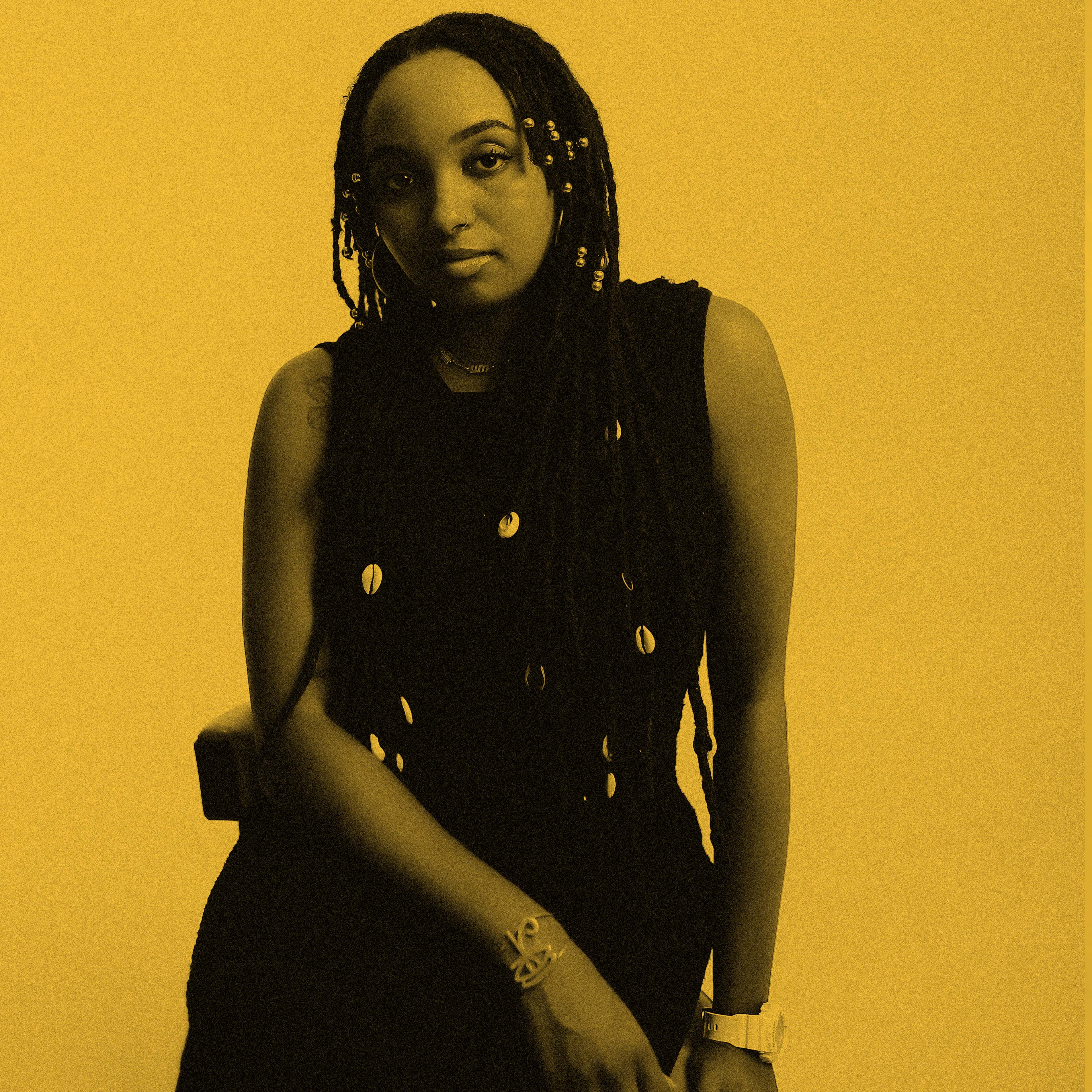
Asia Clarke
Asia Clarke é uma artista, designer, cabeleireira e consultora multidisciplinar afro-caribenha/canadiana que centra a sua atividade na sustentabilidade e no pensamento do futuro. Vivendo entre Toronto e Accra, é apaixonada por re-visionar futuros e ajudar comunidades, clientes e marcas a visionar e atualizar a sua criatividade. Com mais de 15 anos de experiência nas artes, no desenvolvimento internacional e na prospetiva estratégica, trabalhou em projectos de capacitação económica comunitária e de empreendedorismo juvenil no Canadá, Dominica, Trinidad, eSwatini e Gana.
Asia Clarke é uma artista, designer, cabeleireira e consultora multidisciplinar afro-caribenha/canadiana que centra a sua atividade na sustentabilidade e no pensamento do futuro. Vivendo entre Toronto e Accra, é apaixonada por re-visionar futuros e ajudar comunidades, clientes e marcas a visionar e atualizar a sua criatividade. Com mais de 15 anos de experiência nas artes, no desenvolvimento internacional e na prospetiva estratégica, trabalhou em projectos de capacitação económica comunitária e de empreendedorismo juvenil no Canadá, Dominica, Trinidad, eSwatini e Gana.
Ama’s Salon
Set in Ghana in the year 2056, the story follows Ama, a gifted hairstylist who secretly provides mental-health therapy using a makeshift MRI machine hidden within her salon. Each hairstyle she creates is intentionally designed to support her clients’ emotional and psychological well-being. As Ama braids intricate patterns woven with electrical feedback wires into her clients’ hair, she enables them to access and adjust their own brain activity, discreetly storing their neuro-data in a covert archive.
Her salon functions as a trusted sanctuary — a community safe space where women can store their deepest secrets, fears, and desires. But when a new wave of neuro-surveillance threatens to seize control of the last remaining haven for free thought, Ama’s Salon becomes a powerful symbol of resistance, a place where women can still think for themselves.
Exploring themes of identity, morality, healing, and technology, the hairstyles crafted in Ama’s Salon continue the long legacy of Black resilience expressed through hair.
Her salon functions as a trusted sanctuary — a community safe space where women can store their deepest secrets, fears, and desires. But when a new wave of neuro-surveillance threatens to seize control of the last remaining haven for free thought, Ama’s Salon becomes a powerful symbol of resistance, a place where women can still think for themselves.
Exploring themes of identity, morality, healing, and technology, the hairstyles crafted in Ama’s Salon continue the long legacy of Black resilience expressed through hair.
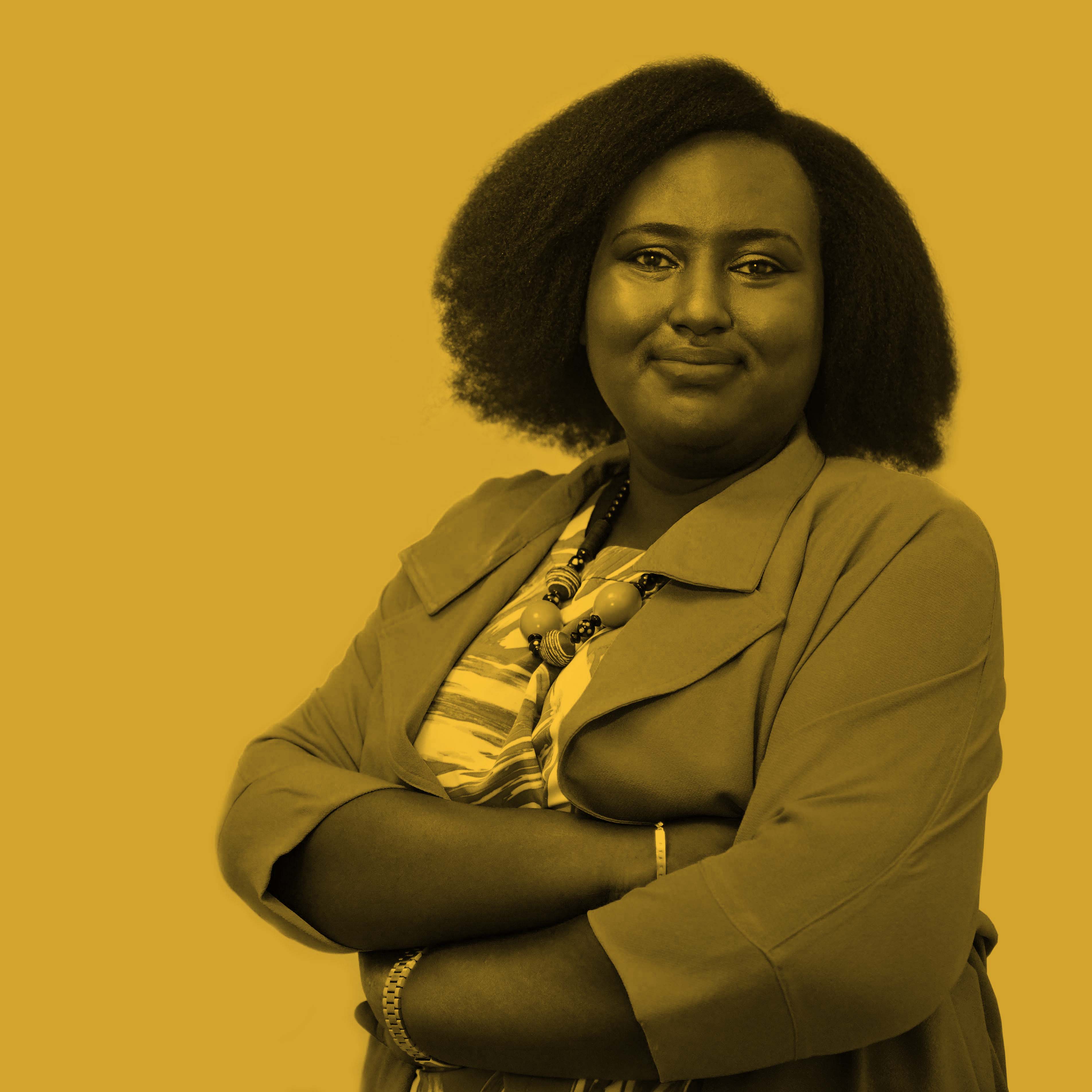
Diane Kaneza
Durante os últimos 15 anos, Diane KANEZA combinou magistralmente o cinema, a comunicação audiovisual e o jornalismo. A sua paixão pelas imagens leva-a a contar histórias interessantes da sua terra natal. Diplomada pelo programa Master 2 Cinéma Documentaire de Création (Université Gaston Berger de Saint louis - Senegal), produziu o filme “Mon Identité”, que resume a sua experiência na acuidade do olhar documental e a sua capacidade de criar a partir da realidade. “Mon identité” foi selecionado para os Trophées Francophones du cinéma em 2018, exibido como filme de encerramento no festival de documentários de Saint Louis e apresentado nos Etats Généraux du documentaire em Lussas. Foi também exibido no Festival de Cinema de Poitiers, na categoria “ Quand le Cinéma s'indigne” com a Amnistia Internacional.
Durante os últimos 15 anos, Diane KANEZA combinou magistralmente o cinema, a comunicação audiovisual e o jornalismo. A sua paixão pelas imagens leva-a a contar histórias interessantes da sua terra natal. Diplomada pelo programa Master 2 Cinéma Documentaire de Création (Université Gaston Berger de Saint louis - Senegal), produziu o filme “Mon Identité”, que resume a sua experiência na acuidade do olhar documental e a sua capacidade de criar a partir da realidade. “Mon identité” foi selecionado para os Trophées Francophones du cinéma em 2018, exibido como filme de encerramento no festival de documentários de Saint Louis e apresentado nos Etats Généraux du documentaire em Lussas. Foi também exibido no Festival de Cinema de Poitiers, na categoria “ Quand le Cinéma s'indigne” com a Amnistia Internacional.
ITONGO
Without land rights, women remain economically dependent on men, reinforcing gender inequalities. Since 2015, in the province of Muyinga in northern Burundi, new practices have been introduced in land certification. Men register their wives on land titles. This gives the women of this province financial autonomy, because they can now apply for a loan from a bank and open a business to ensure their financial independence. This practice is rarely popularised, whether among educated or rural women. ITONGO aims to highlight this approach, which shows that there are possible and promising ways of guaranteeing that women own the land they cultivate. The project takes the form of a 13-minute documentary focusing on two women from the Buhinyuza commune (Muyinga province) who, thanks to land certification, are now models of success in their communities.
︎︎︎
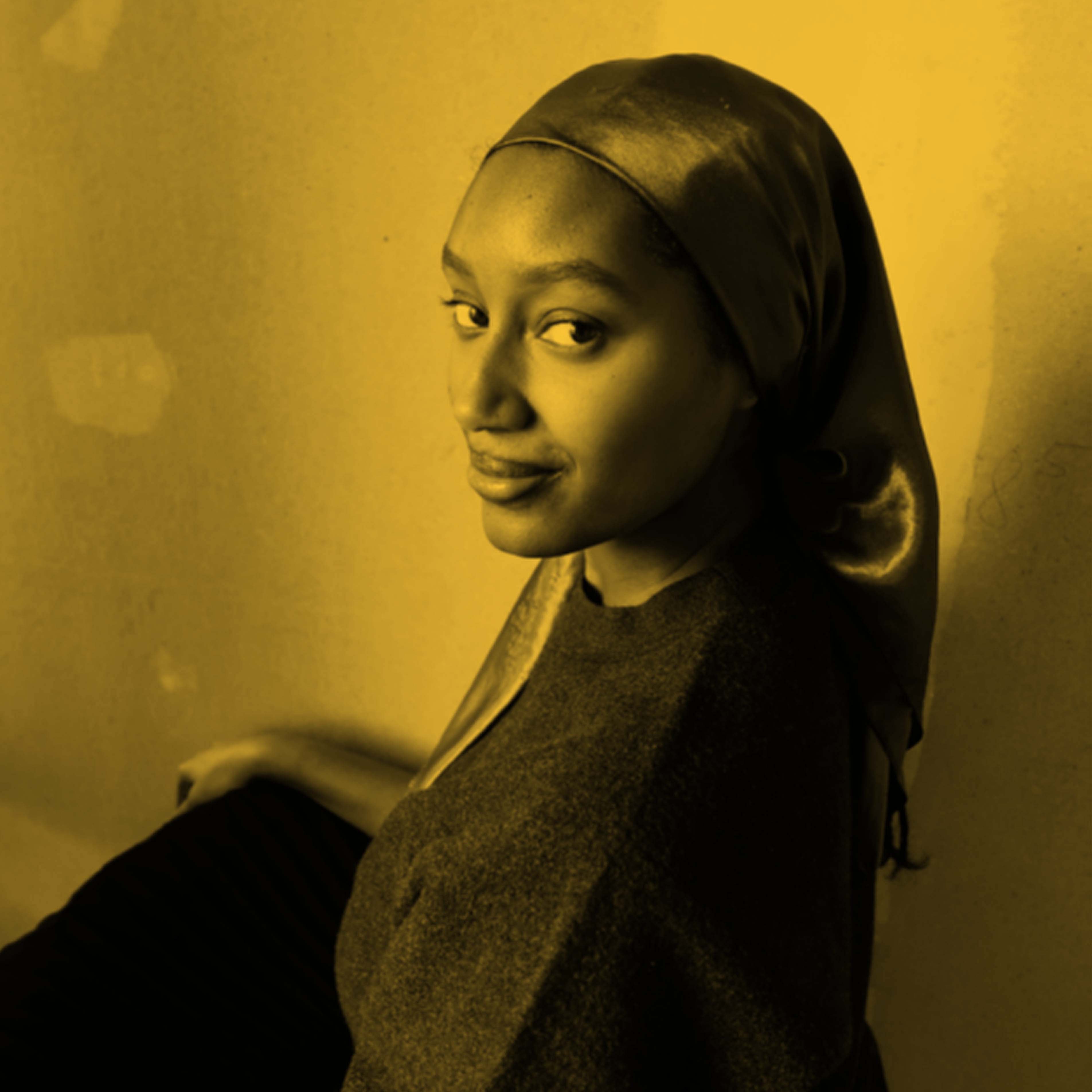
Fayo Said
Fayo Said é uma artista e investigadora interdisciplinar dos Países Baixos e de Oromia, na Etiópia. O seu trabalho e investigação centram-se nos arquivos africanos e afro-diaspóricos, bem como na cultura material e visual, com particular ênfase no Corno de África. Através da sua prática artística, Fayo explora as complexidades da memória cultural, da identidade e da intersecção entre a história e a arte contemporânea. Tem uma licenciatura em Estudos Internacionais (especialização em África) pela Universidade de Leiden. É fluente em oromo, inglês e neerlandês e tem uma proficiência intermédia em alemão e francês.
Fayo Said é uma artista e investigadora interdisciplinar dos Países Baixos e de Oromia, na Etiópia. O seu trabalho e investigação centram-se nos arquivos africanos e afro-diaspóricos, bem como na cultura material e visual, com particular ênfase no Corno de África. Através da sua prática artística, Fayo explora as complexidades da memória cultural, da identidade e da intersecção entre a história e a arte contemporânea. Tem uma licenciatura em Estudos Internacionais (especialização em África) pela Universidade de Leiden. É fluente em oromo, inglês e neerlandês e tem uma proficiência intermédia em alemão e francês.
Sacred (2025)
This project explores the concept of wayyuu, a moral and spiritual framework central to Oromo culture, and examines its potential to inform feminist practice and women*s rights advocacy in Africa. Wayyuu, often described as a sacred, revered state, governs how individuals and communities relate to one another with respect and balance. It embodies a code of conduct that elevates respect for women*, nature, and societal harmony. In Oromo culture, wayyuu is often associated with women*, who are considered the bearers of this sacred role. However, in practice, this reverence for women* can be paradoxically tied to their submission to patriarchal structures, where they are both elevated and confined. By revisiting wayyuu and other cultural frameworks in African societies, this project examines how indigenous traditions can both reinforce and challenge gender inequalities. The work critically engages with how the colonial and post-colonial periods have shaped gender relations and how reclaiming cultural traditions like wayyuu can offer new pathways for achieving gender equity.

Irene A’mosi
Irene A´mosi é uma artista que explora a palavra como seu principal meio de expressão. Com um trabalho que abrange a literatura, spoken word, cinema e instalação, Irene A´mosi mergulha em questões quotidianas, revelando detalhes sutis que muitas vezes escapam à percepção do observador. Sua obra busca desvelar a poética do ordinário, transformando o aparentemente comum em uma reflexão profunda sobre a vida contemporânea.
Irene A´mosi é uma artista que explora a palavra como seu principal meio de expressão. Com um trabalho que abrange a literatura, spoken word, cinema e instalação, Irene A´mosi mergulha em questões quotidianas, revelando detalhes sutis que muitas vezes escapam à percepção do observador. Sua obra busca desvelar a poética do ordinário, transformando o aparentemente comum em uma reflexão profunda sobre a vida contemporânea.
This Character is a Woman
This Character is a Woman is an artistic project exploring the lives and struggles of zungueiras—Angolan women working in the informal street market—who face state violence, police brutality, and economic vulnerability.
Through video, performance, and installation, the project denounces the romanticised image of these women as symbols of resilience, revealing the harsh realities they endure daily.
Central to the work is a performance in which over 100 worn rodilhas—cloth headpieces used to carry goods—are exchanged for new ones in acts of sorority and solidarity. The old radishes are transformed into art objects, preserving the stories of their owners, many of whom have suffered or been silenced by systemic violence.
The exhibition features a striking 20kg dress made from these rodilhas, embodying both beauty and burden. This piece challenges notions of glamour while symbolising the literal and emotional weight these women carry. That Character is a Woman is a tribute to their strength, visibility, and resistance.
Through video, performance, and installation, the project denounces the romanticised image of these women as symbols of resilience, revealing the harsh realities they endure daily.
Central to the work is a performance in which over 100 worn rodilhas—cloth headpieces used to carry goods—are exchanged for new ones in acts of sorority and solidarity. The old radishes are transformed into art objects, preserving the stories of their owners, many of whom have suffered or been silenced by systemic violence.
The exhibition features a striking 20kg dress made from these rodilhas, embodying both beauty and burden. This piece challenges notions of glamour while symbolising the literal and emotional weight these women carry. That Character is a Woman is a tribute to their strength, visibility, and resistance.